|
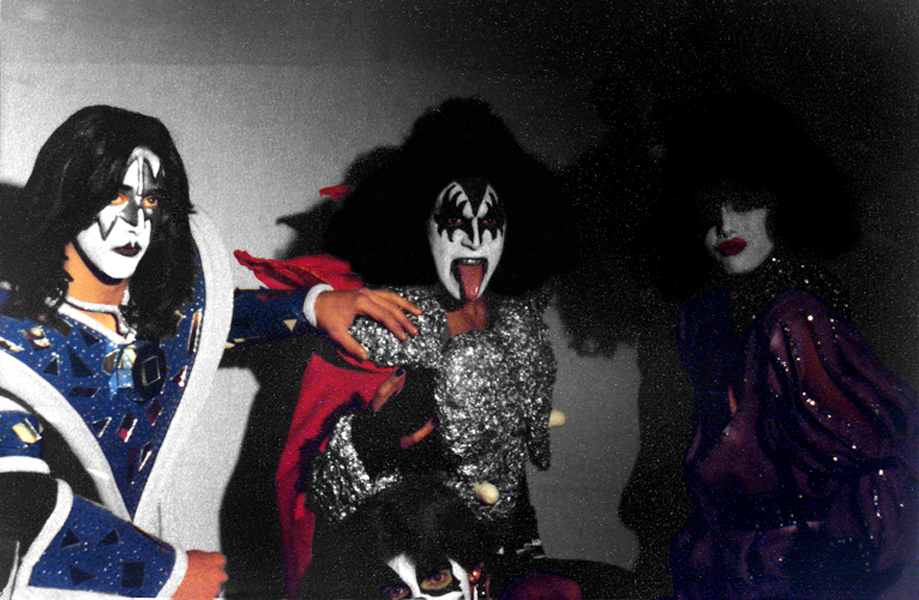
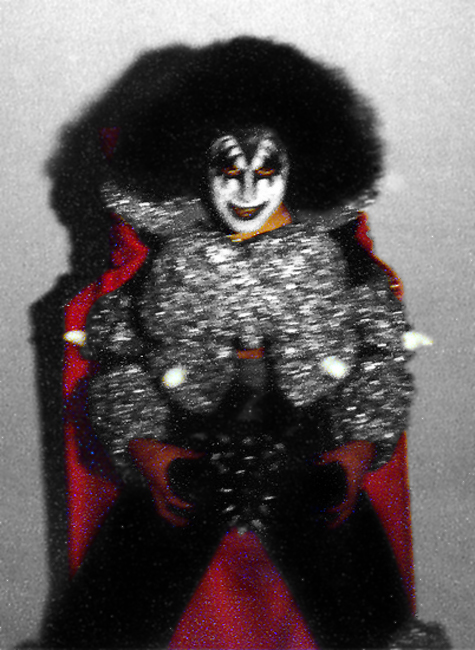
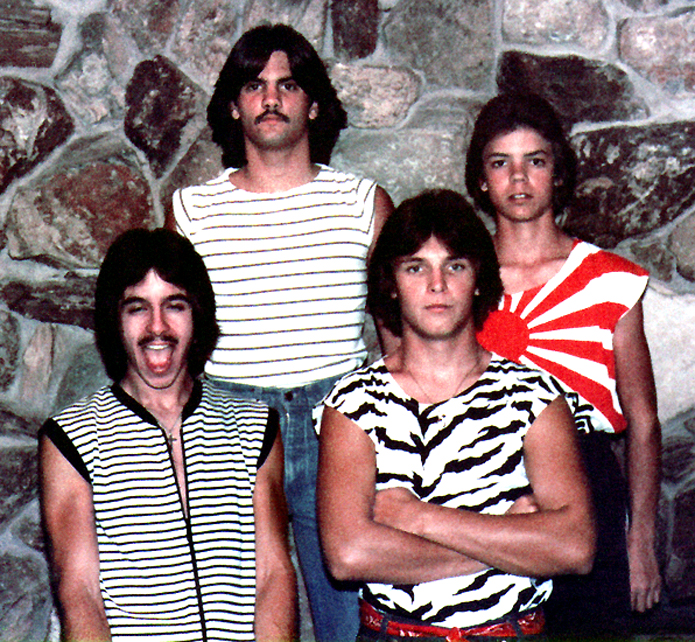
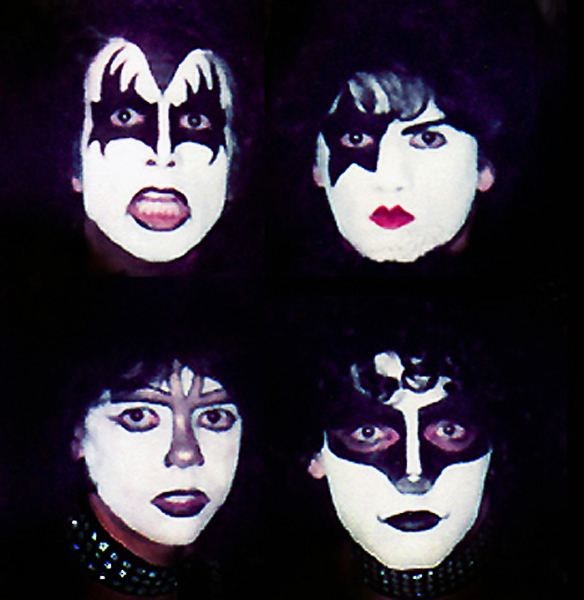
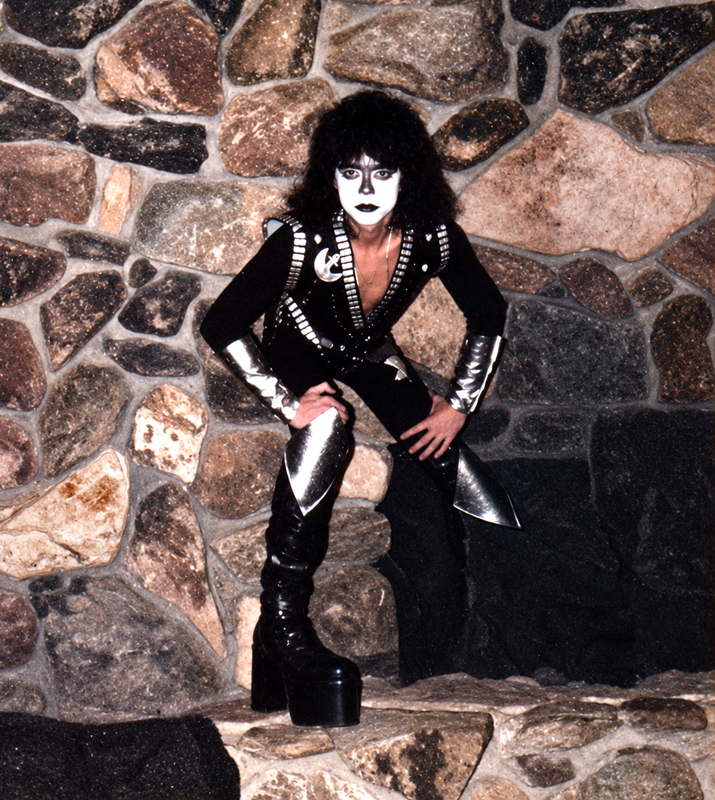
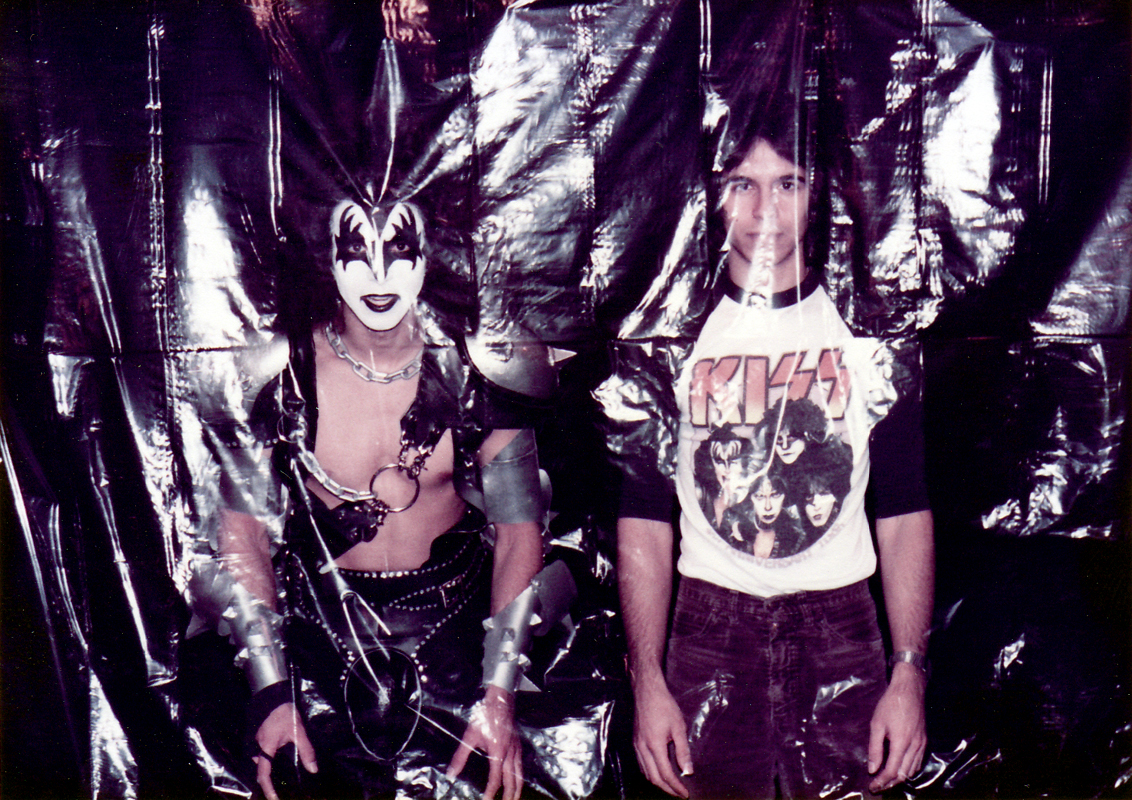
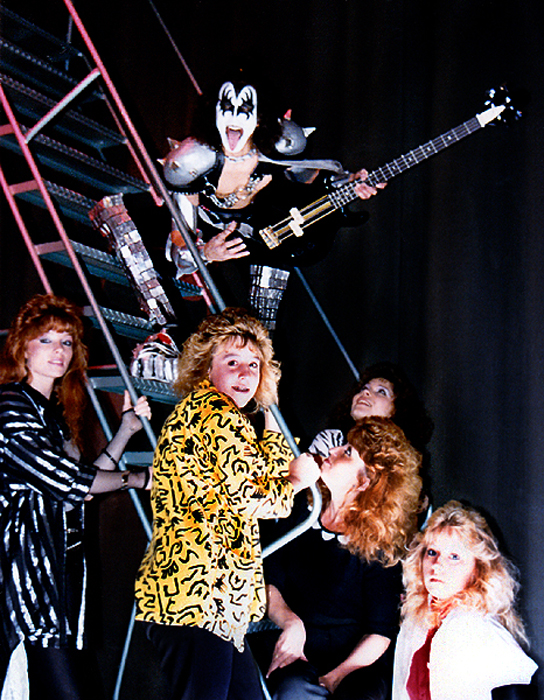
Here is a collection of miscellaneous
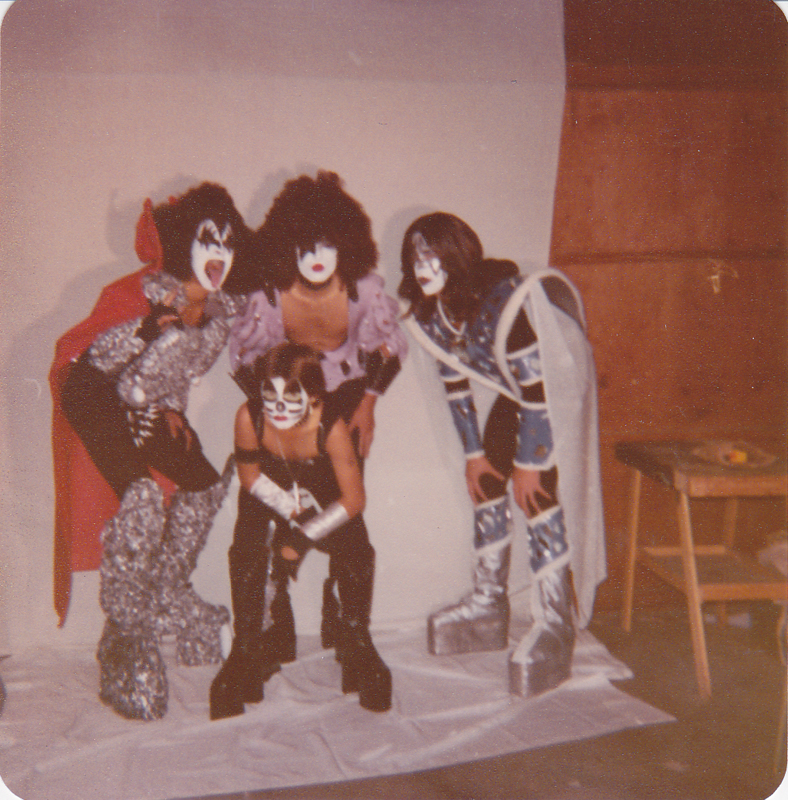
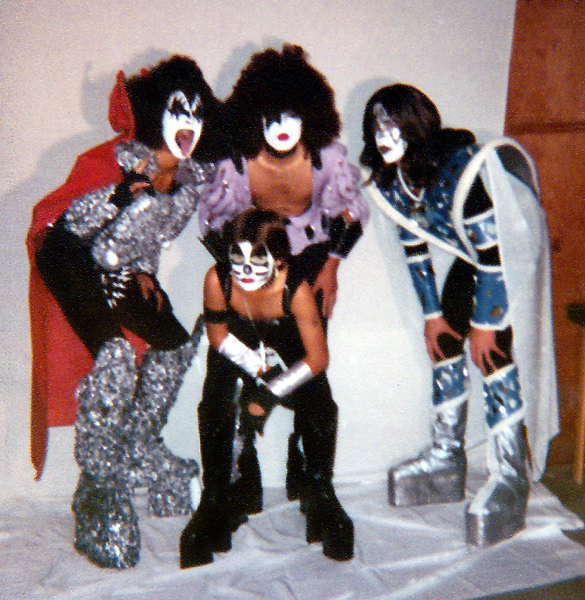
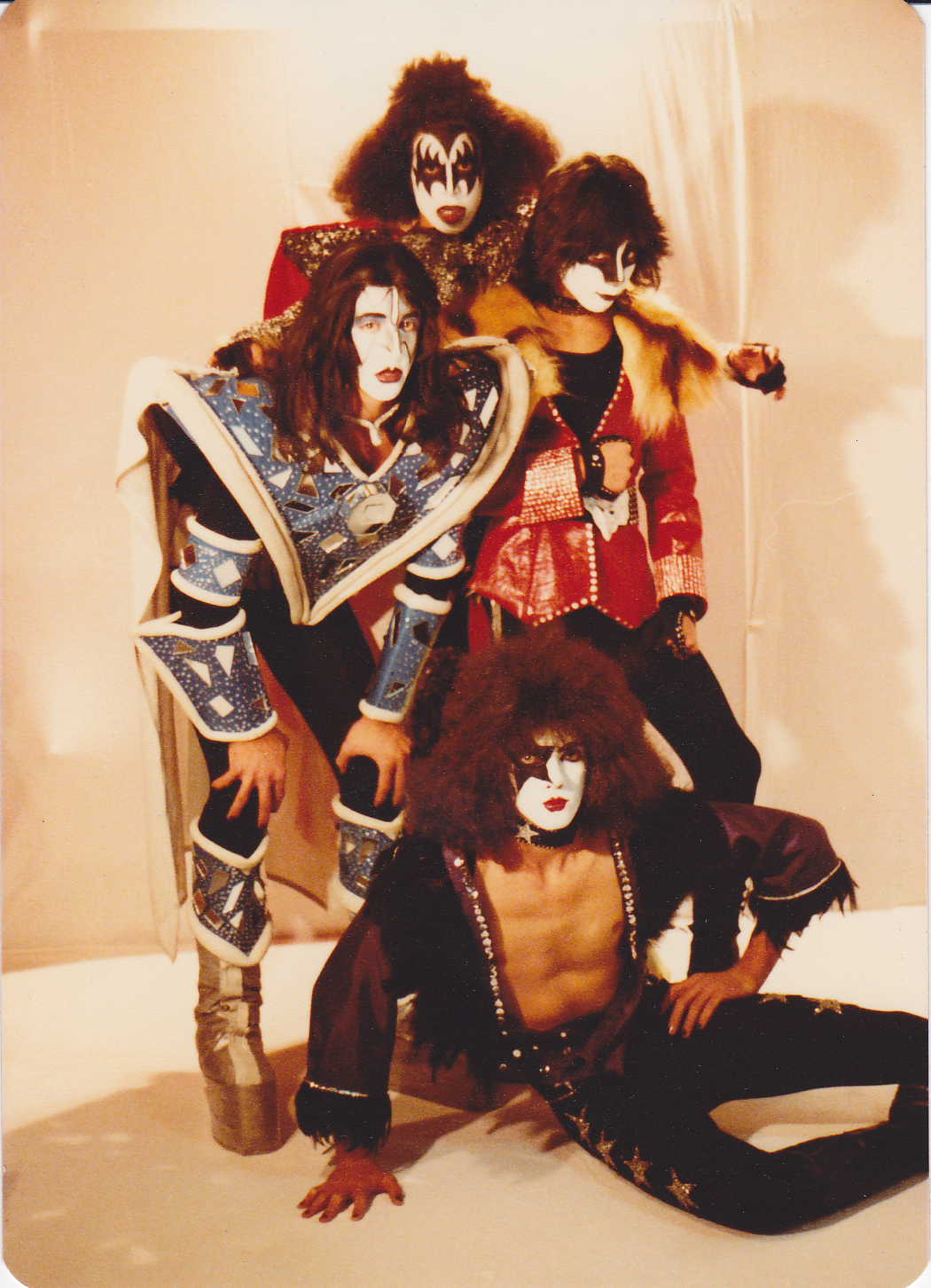
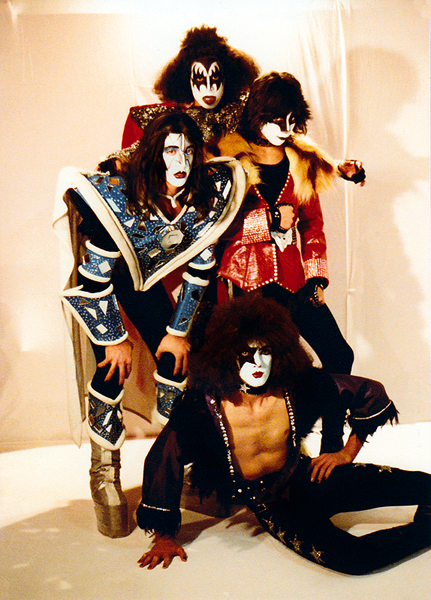
photographs and outtakes taken throughout the KISS Impersonators'
history.
Some are fun behind-the-scenes photos, while others are alternate
shots similar to those featured on the yearly pages. Although
many of these outtakes capture great moments, some were slightly
out of focus, too dark, or had other quality issues that kept
them from being included on the yearly pages. Nevertheless,
we felt they were worth sharing because of their historical
content.
At the bottom of this page, you'll also find a Restoration section
showing the work that went into bringing these photographs back
to life. Through side-by-side comparisons, you can see how selected
images progressed from their original condition to the restored
versions used on the website in 2013, and finally to the improved
versions featured in the 2026 relaunch.
|
 Click on the thumbnails to view larger photos.
Some of the original photos contain more than what is shown
in the thumbnails. |
|
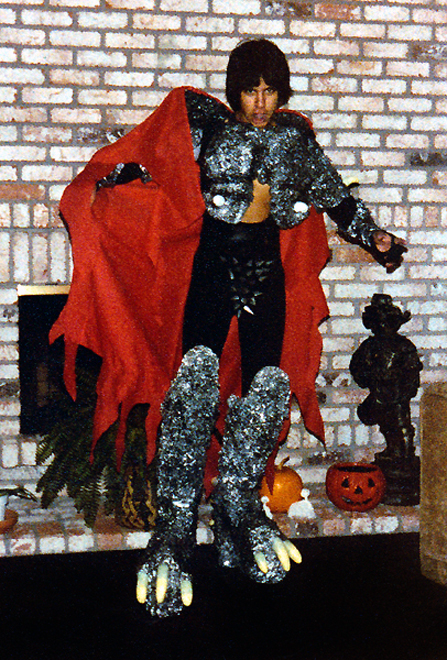
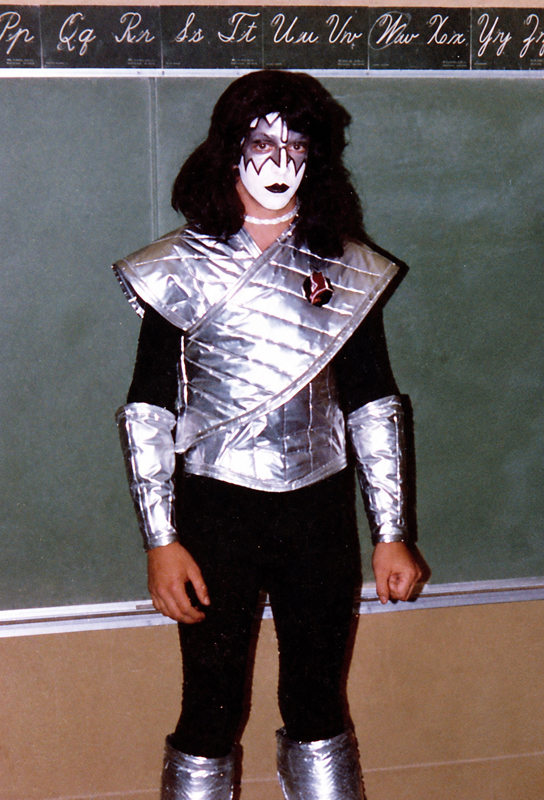
October 29, 1977 - Costume
Party
Troy Correia as Ace Frehley
|
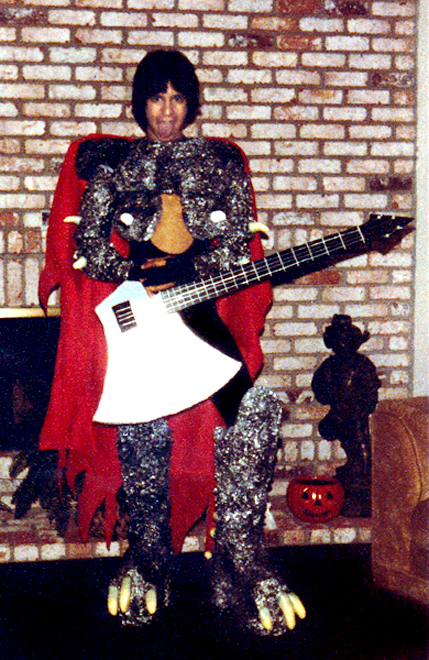
Costume Fitting - October
1980
Troy Correia
|
Costume Fitting - October
1980
Troy Correia
|
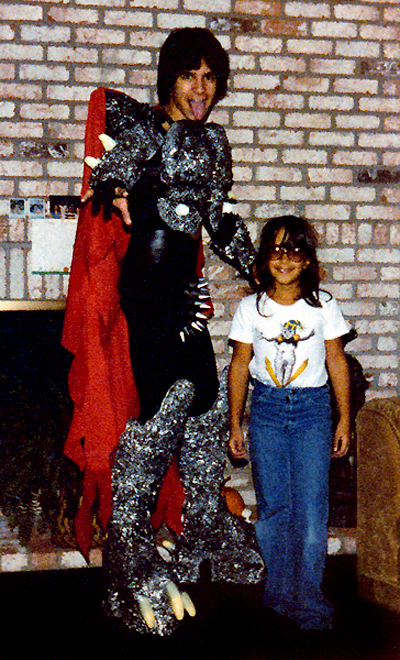
Costume Fitting - October
1980
Troy Correia and his sister
|
Eric Carr Belt Buckle -
1980
Made by Troy out of bakers dough.
|
|
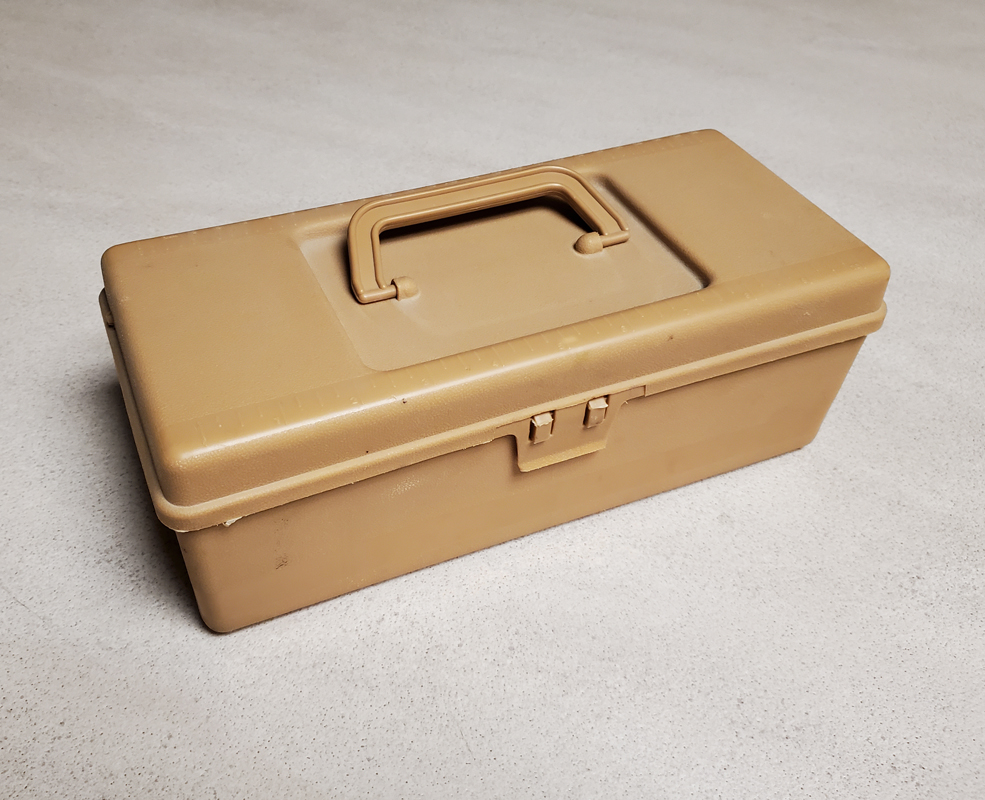
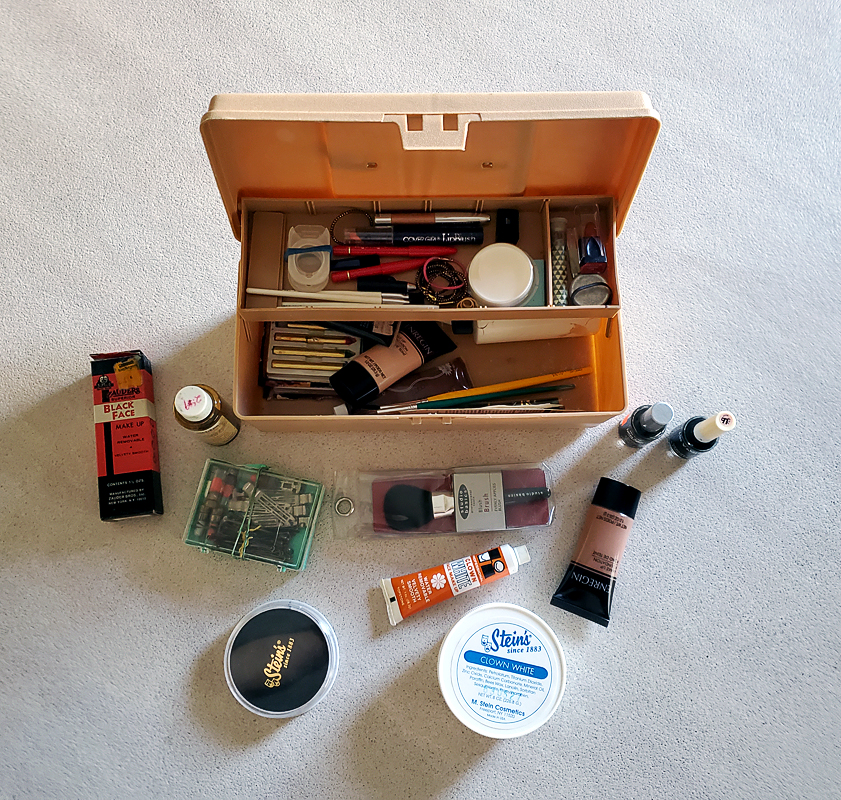
Makeup Kit
|
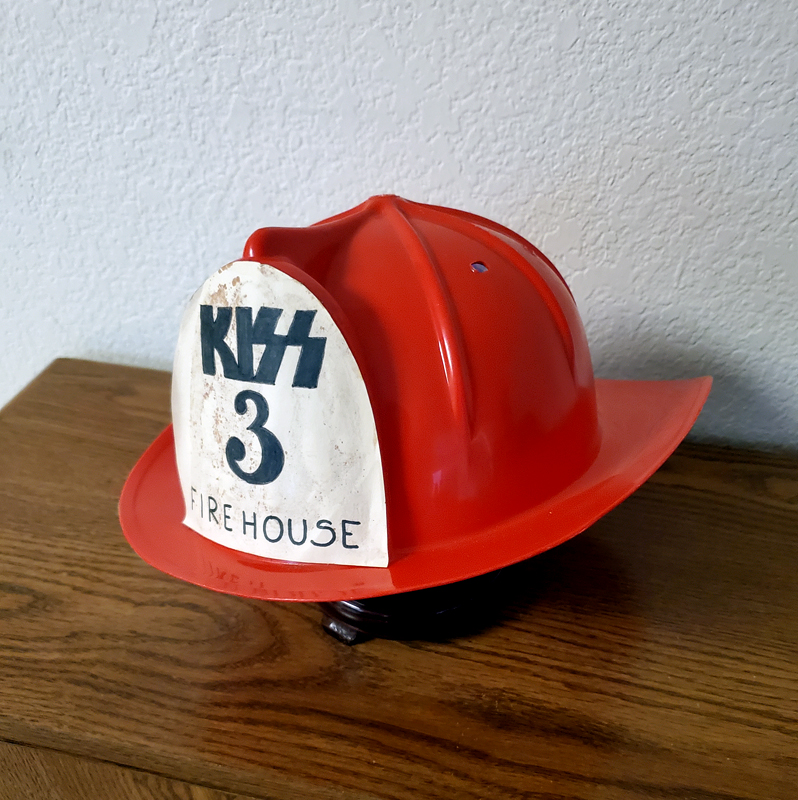
Firehat -
1978
|
|
|
This is the group's original makeup kit, which
Troy put together in 1977 or 1978. Over the years, many items
were added to it. Eventually, Troy assembled a second, much
larger kit containing supplies for projects beyond just dressing
up as KISS. However, this smaller kit remained the group's primary
makeup kit throughout their years together.
|
|
This is the original firehat
used during the group's first two concerts on June 16 and December
10, 1978. Troy made the custom KISS Firehouse emblem displayed
on the front.
After the concerts, the hat
was packed away with other costume pieces and materials, where
it remained for many years. It was brought out in 2026 and photographed
to share here on the website.
|
|
|
Ace Frehley Love Gun Costume - 1978
|
|
Gene Simmons Wig
|
Costume Patterns
|
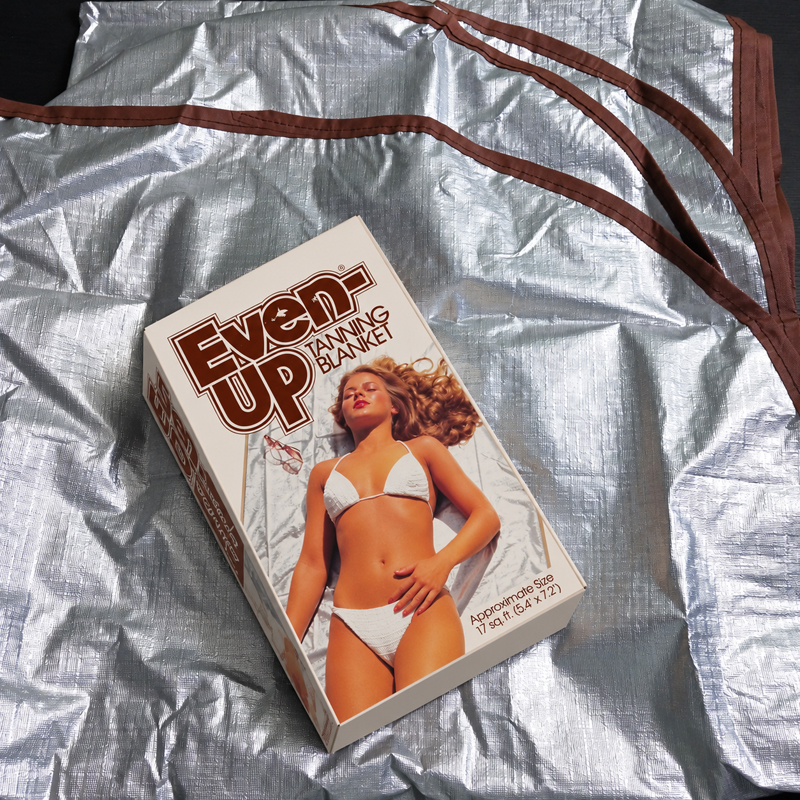
Back in 1978, silver fabric
wasn't something you could simply walk into a fabric store and
find on the shelves. Troy searched the handful of fabric stores
in Fremont at the time, but none carried what he needed.
Always thinking outside the box and finding
creative solutions, Troy realized that Even-Up Tanning Blankets
might be the answer. Two were purchased and used to create
the Ace Frehley costume shown in the first and third photographs
above.
The center photograph shows an Even-Up
Tanning Blanket, the unlikely material that helped bring the
costume to life.
|
|
This is Troy's Gene Simmons wig, worn during
the group's Halloween appearances in 1979, 1980, and 1983.
The photograph shows its condition in 2026, after spending
many years packed away in a box.
|
|
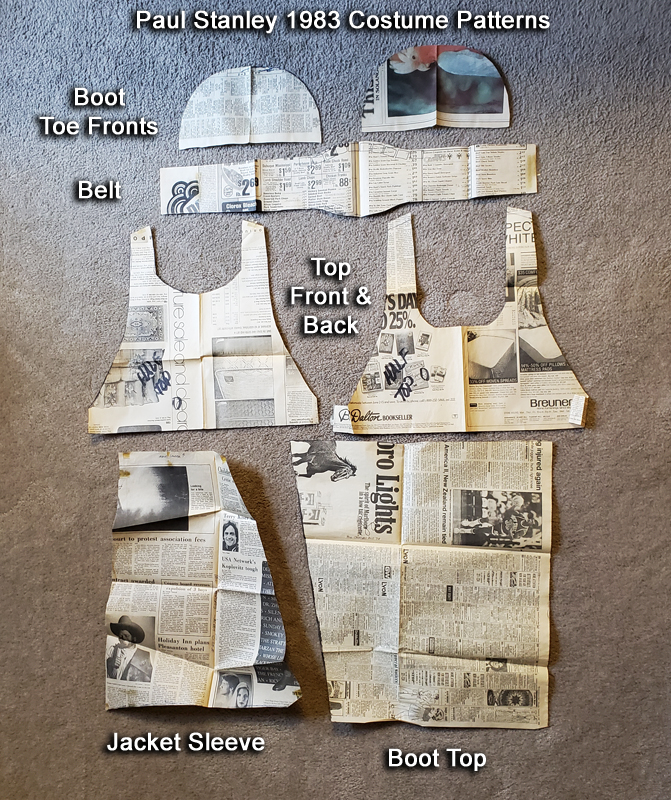
These
are the original newspaper pattern pieces Troy created for the
1983 Paul Stanley costume. Throughout the group's history, Troy
used newspaper to make the patterns for the costumes he constructed
each year. |
|
Gene Simmons Dragon Boots - The Evolution
1978 and Beyond
|
|
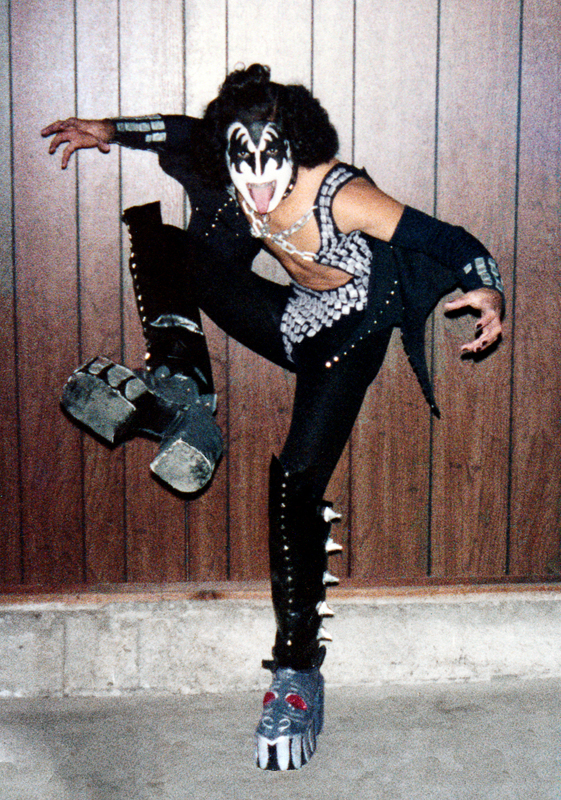
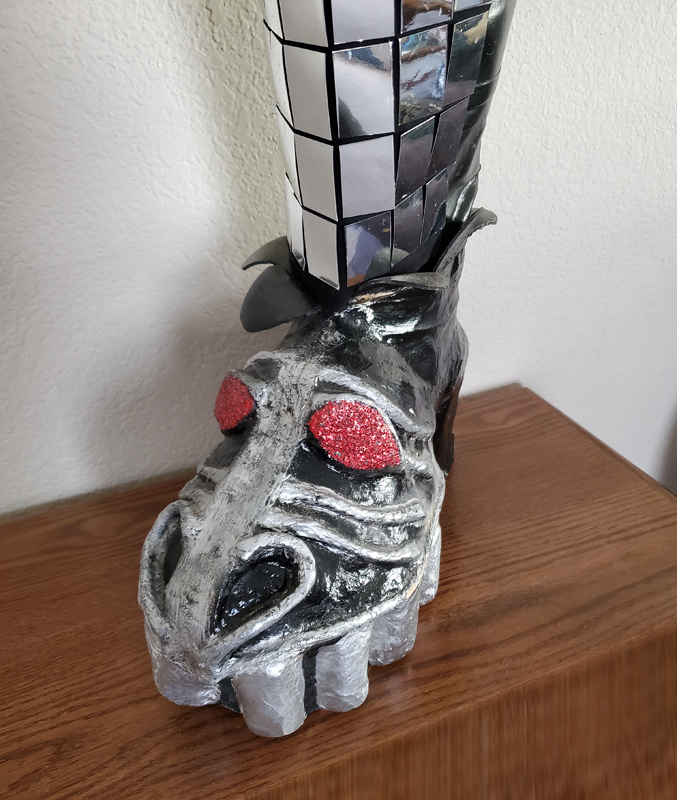
Another example of Troy's outside-the-box
thinking was the creation of his dragon boots in 1978. He needed
something that would allow him to construct a dragon's face
on the foot while extending the upper portion of the boot above
his knees.
While browsing a St. Vincent de Paul thrift store, Troy found
an unlikely solution: a pair of fishing waders with attached
boots.
He cut the waders to the height he needed, then cut along the
inside of each leg and glued the material together to create
a snugger fit. (First image)
Next, Troy shaped blocks of Styrofoam to create the platform
heels. Using a remarkably strong glue provided by Jack's father,
he attached the platforms directly to the rubber boots. It was
an unconventional combination of materials that probably shouldn't
have worked, but somehow it did!
Troy then sculpted the dragon faces using papier-mâché
made from newspaper, finishing the surface with a layer of tissue
paper. In later revisions, he incorporated gauze to strengthen
the construction.
The original 1978 version featured teeth that were only slightly
shaped into the Styrofoam and then painted to give them definition.
(Second image)
A few years later, Troy redesigned the dragon faces, adding
raised Styrofoam teeth and constructing new faces over the originals.
The pieces resembling metal studs on the front of the boots
were actually made from heavy poster board covered in aluminum
foil and attached to fabric secured to the front of each boot.
(Third image)
For the group's tenth-anniversary reunion in 1986, Troy painted
the dragon faces entirely silver to complement his Destroyer
costume. He also created separate leg coverings featuring a
scale design that slipped over the upper portions of the boots.
(Fourth image)
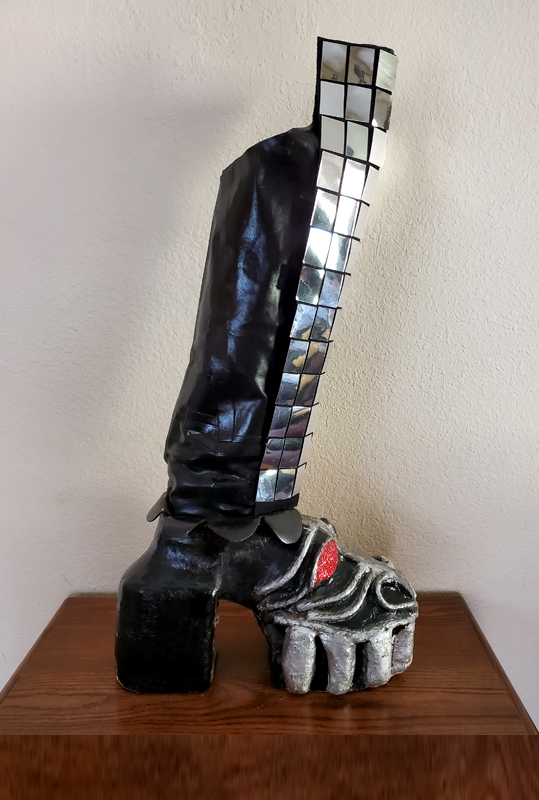
After the KISS Impersonators disbanded, Troy continued improving
the boots. He constructed another set of dragon faces over the
existing ones, finally achieving a design he was satisfied with
and one that more closely resembled Gene Simmons' original boots.
He also replaced the decorative studs with new pieces made from
chrome poster board. These were attached to fabric panels that
fastened to the upper boots with Velcro.
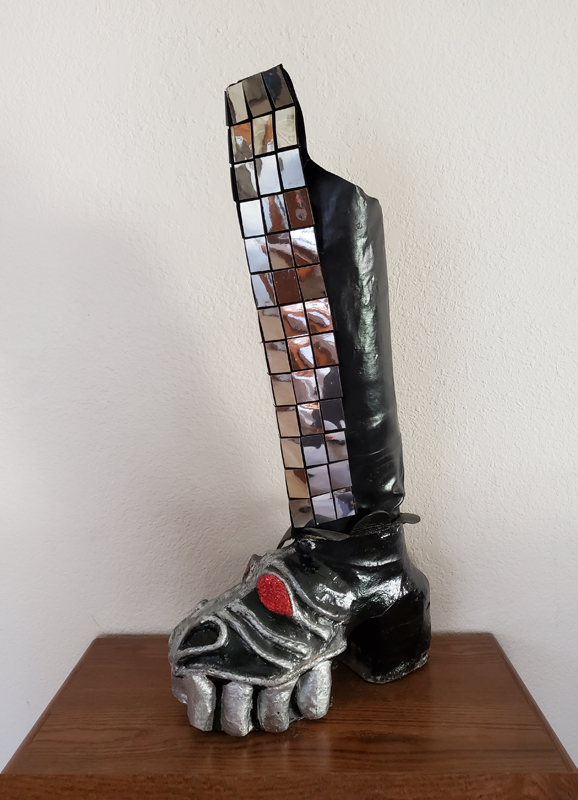
This final version is shown in the fifth, sixth, and seventh
photographs and represents how the boots look today.
Troy continued wearing them at Halloween parties and other events
for years afterward, with their last appearance at the Freakers
Ball in South Lake Tahoe in 2006.
|
|
Gene Simmons Dragon Boots - The Beginning 1977
|
|
Gene Simmons Top - 1977
|
Peter Criss Top - 1977
|
The
history of Troy's dragon boots actually began in 1977. Although
the group couldn't afford to recreate KISS' Destroyer costumes
that year, Troy was determined to have a pair of Gene Simmons'
dragon boots as part of his costume.
Starting with an old pair of his father's cowboy boots, Troy created
the dragon faces using papier-mâché and made the
scales from poster board. He also attached plastic devil horns
to the sides of the boots to resemble those seen on Gene's boots
on the Destroyer album cover.
To extend the design above his knees, Troy created separate upper
sections using placemats sewn to pieces of fabric. These were
put on before the boots, then pulled down over the tops to blend
with the scales below.
Although the difference between the poster board and placemat
materials was noticeable, the finished boots gave Troy his first
version of the dragon boots he had wanted to recreate. |
|
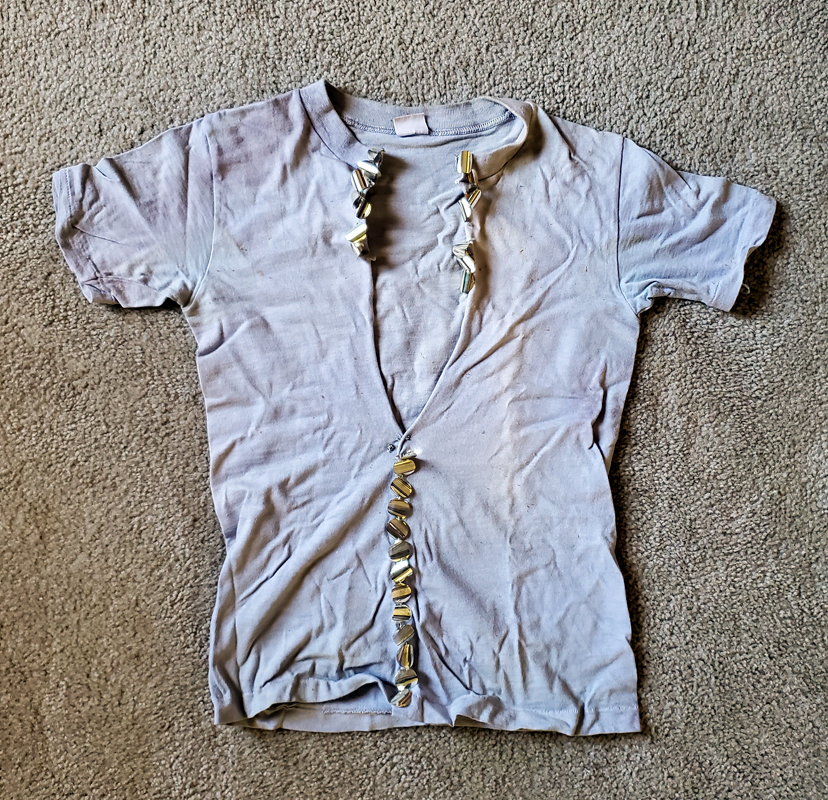
This
is Troy's original top from Halloween 1977. He had forgotten he
still had it until he discovered it tucked inside one of his 1977
dragon boots.
The top was originally a white T-shirt that Troy attempted to
dye black, but it turned out gray instead. Large, round sequins
were sewn along the open chest area and down the lower center
of the shirt. |
|
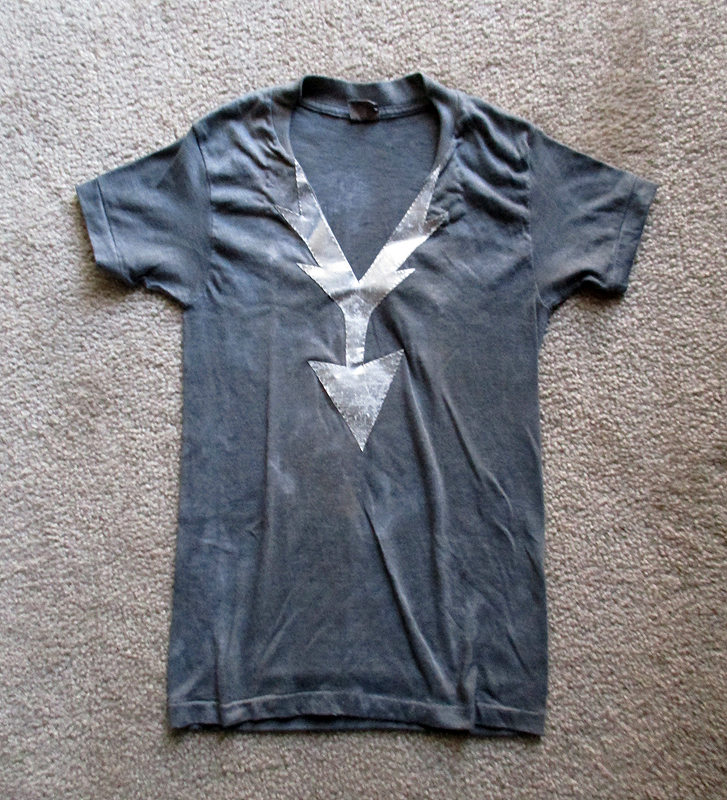
This
shirt was originally dyed black, but the color turned out dark
gray instead. It featured a silver-painted vinyl arrow design
sewn onto the front.
Troy kept the shirt in his collection for many years before passing
it along to Tim in 2020. |
|
Creatures Costume
1983
|
|
Gene Simmons
Creatures of the Night Shoulder Piece - 1983
|
|
Gene Simmons
Armor - 1986
|
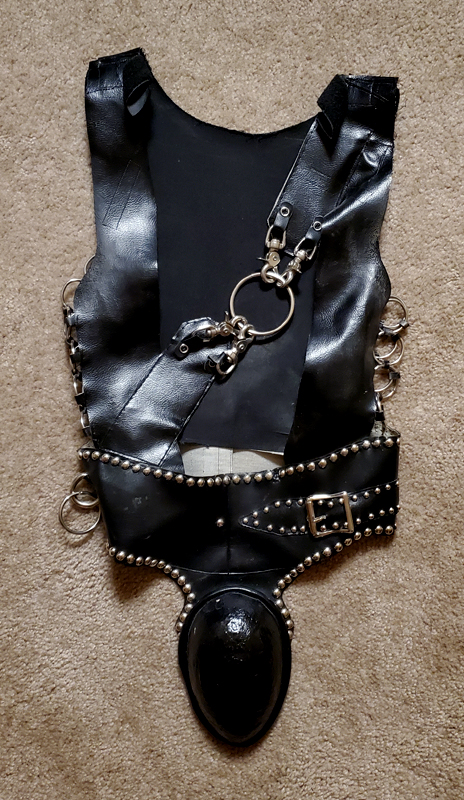
| This
is the main portion of Troy's Creatures of the Night costume from
1983, constructed using imitation leather, metal studs, rings,
and clasps.
The codpiece was made from half of a Styrofoam
egg, covered with papier-mâché to create a smooth
surface, and then painted black.
|
|
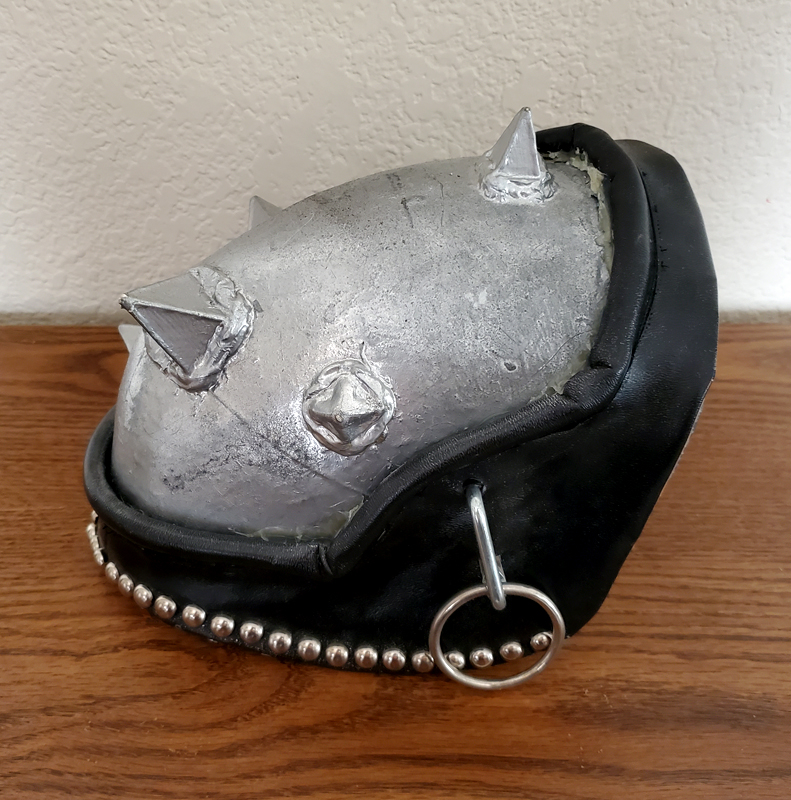
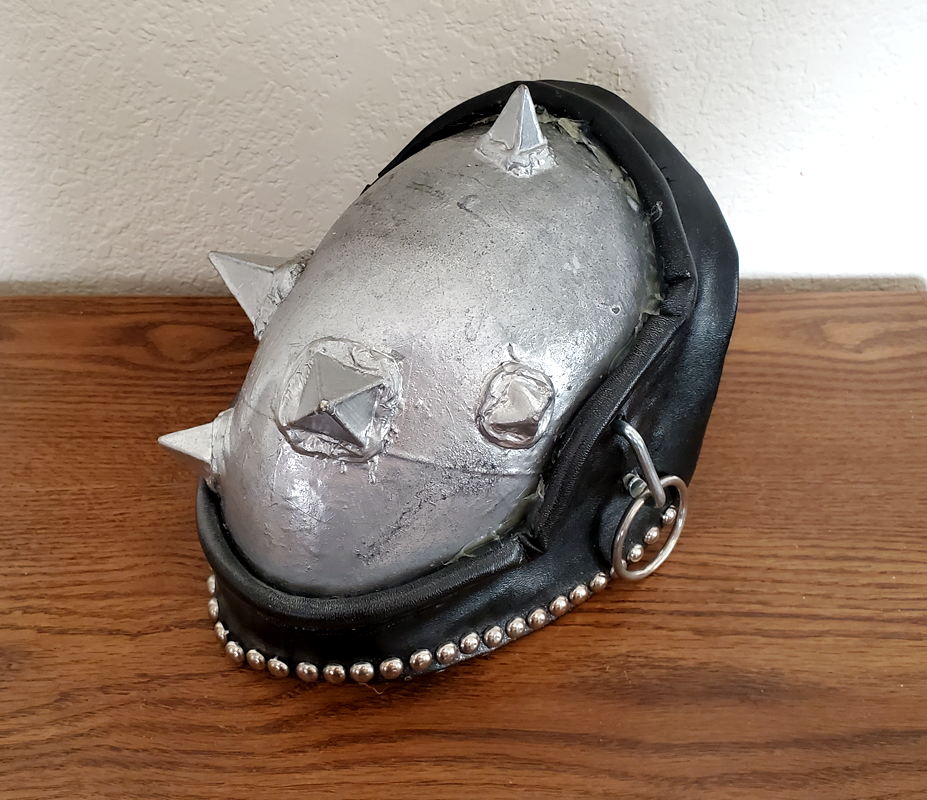
Troy
created his Creatures of the Night shoulder pieces using an unusual
combination of materials, including mat board, imitation leather,
metal studs, poster board, baker's dough, coat hanger wire, caulking,
and a 99-cent vinyl play ball of the type once commonly displayed
in large metal cages at stores.
Once again, Troy looked at Gene Simmons'
costume and thought, "I can do that." And with a little
creativity and ingenuity, he did!
To construct the base, Troy shaped a piece
of mat board and reinforced it with coat hanger wire, then lined
the underside with black felt. He attached half of the vinyl
play ball to the outside of the shell to create the rounded
shape.
Next, he added pyramid-shaped spikes, making
the larger ones from poster board and the smaller one from baker's
dough. Caulking was applied around the bases of the spikes to
give them the appearance of being welded to the surface.
Troy painted the ball and spikes silver but
encountered a problem when the paint wouldn't dry properly on
the vinyl, leaving the surface sticky. After some experimentation,
he found a way to get the paint to dry without remaining tacky.
Once the paint had dried, he attached the
imitation leather covering he had made. The completed shoulder
piece was secured to his costume using a large piece of Velcro
attached to the underside.
|
|
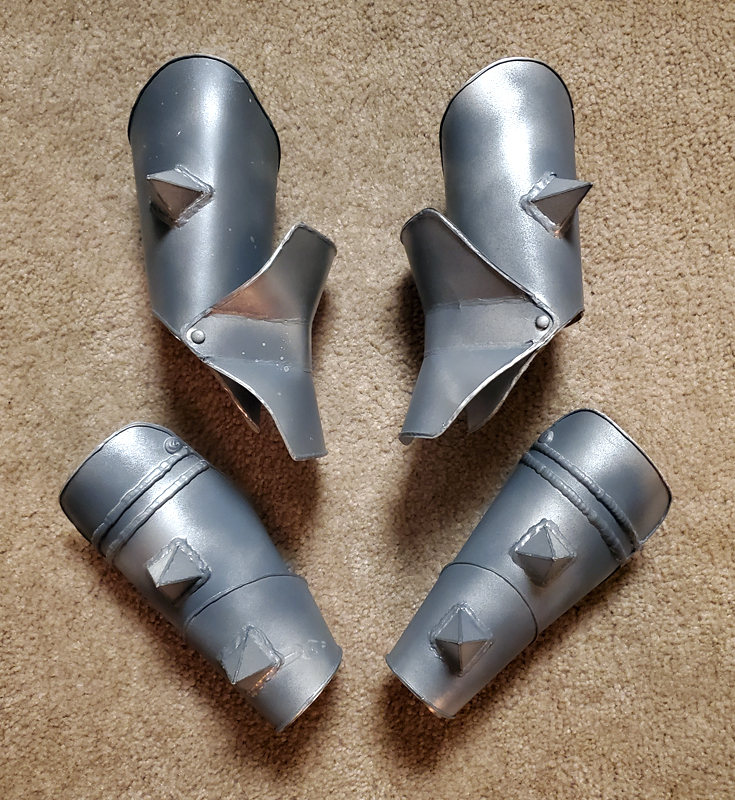
These
are Troy's Destroyer armor pieces from 1986. The chest armor was
constructed using mat board, poster board, string, metal brads,
and imitation leather. String was used to create the raised edges,
which were then covered with a thin layer of papier-mâché
to give them a smooth finish. Circular metal brads and imitation
leather were used to connect the various sections.
The armbands were constructed from poster board, caulking, and
metal brads.
The armor was worn only in 1986 and had deteriorated considerably
by the time Troy brought it out to photograph in 2026.
At some point after its original use, Troy began modifying the
chest armor to match a darker variation of Gene Simmons' costume.
He repainted portions of it and started making repairs, but the
work was never completed.
Evidence of those unfinished modifications can still be seen in
the unpainted spike on the left shoulder piece and the patched
area on the right. |
|
Gene Simmons Love Gun Costume
- 1978
|
|
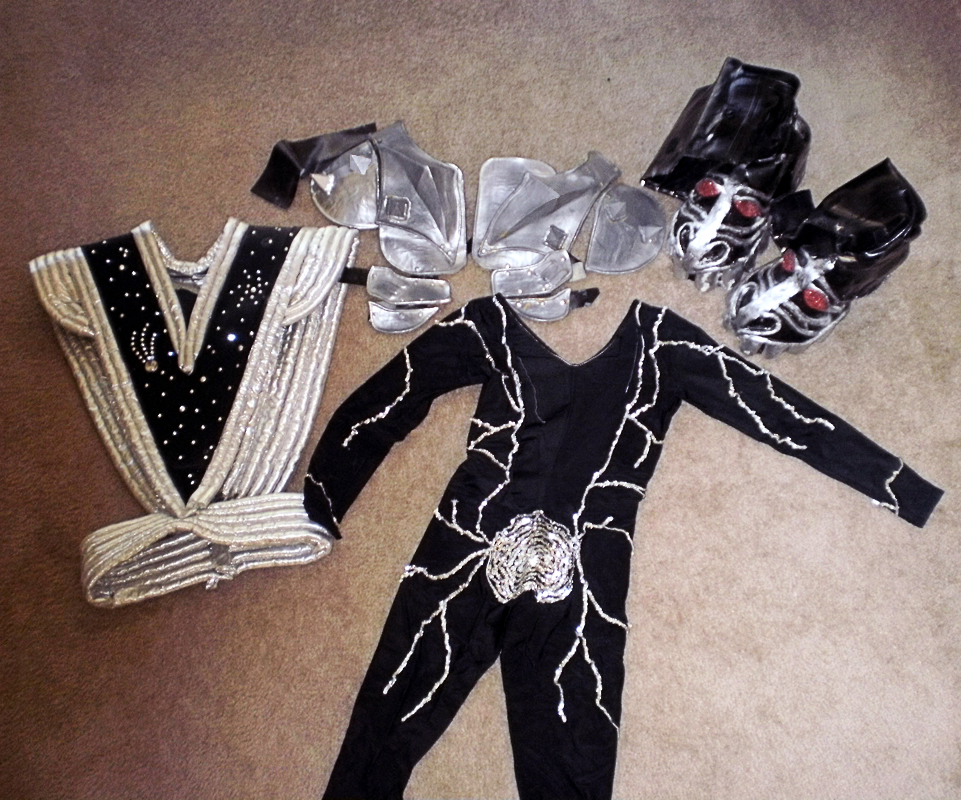
Costume Pieces
Halloween 1986
|
|
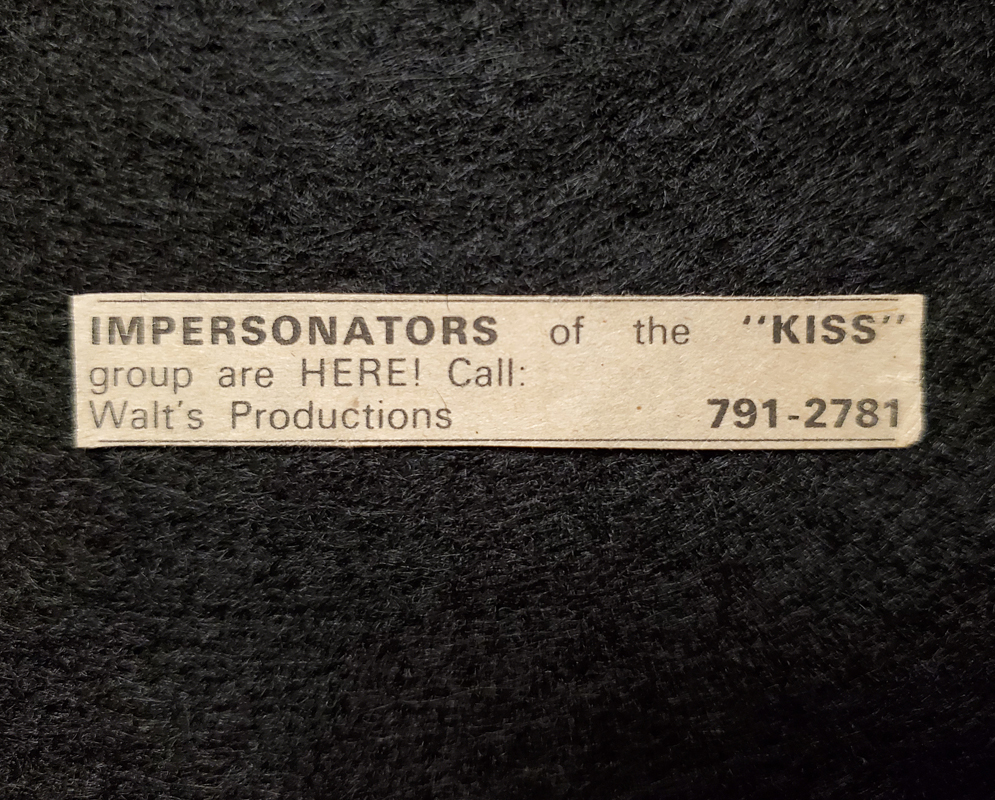
Ad for Walt's Productions
|
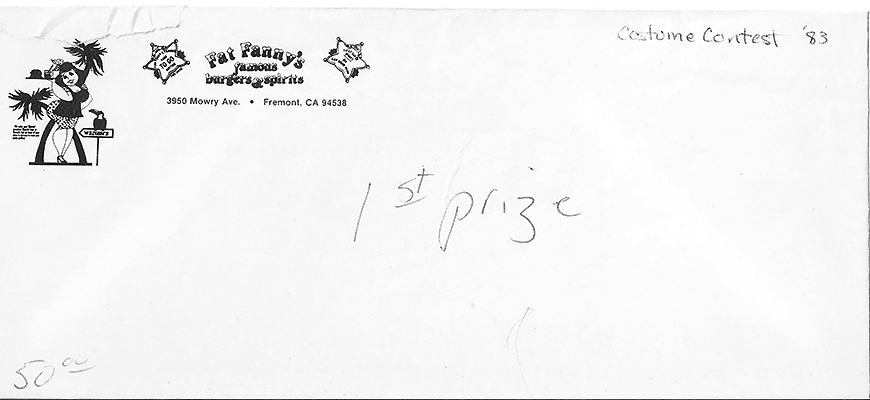
1983 Prize Envelope
|
| This
is Troy's Love Gun costume from 1978. The armbands and wings form
a single piece that attaches to the back of the bodysuit with
Velcro.
The rectangular studs on the bodysuit were
actually made from pieces of Velcro, painted silver on the reverse
side and sewn onto the costume to create the appearance of metal
studs. This was Troy's solution because that particular style
of stud was unavailable to him in 1978. The wristbands were
made using the same technique.
The collar features actual square metal studs,
along with a ring in the center where the chain on the front
of the costume attaches.
|
|
While
preparing the costumes for the group's tenth-anniversary in 1986,
Troy photographed several of the costume pieces laid out together
before Halloween. |
|
This
advertisement was placed by Walt's Productions in the Dollar Saver
newspaper in 1979, offering the group's services for parties and
other events. Although the group never received any bookings through
Walt's Productions, the advertisement ended up having an unexpected
significance.
It was this advertisement that inspired Troy to come up with the
name "KISS Impersonators," although exactly when he
began using the name is uncertain. |
|
This
is the original envelope containing the $50 first-place prize
awarded to the group for winning the costume contest at Fat Fanny's
in 1983. |
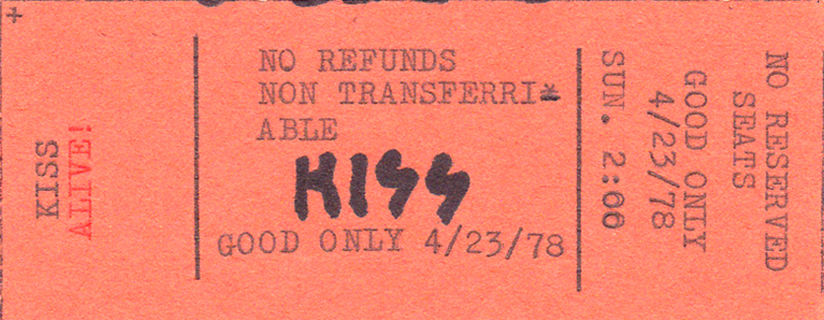
 Ticket for proposed
concert April 23, 1978 |
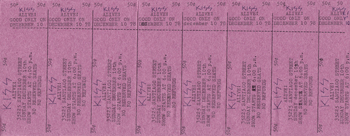 String of 8 unused tickets for the groups
second concert December 10, 1978 |
|
|
|
|
Proposed Stage Pass
for a third concert |
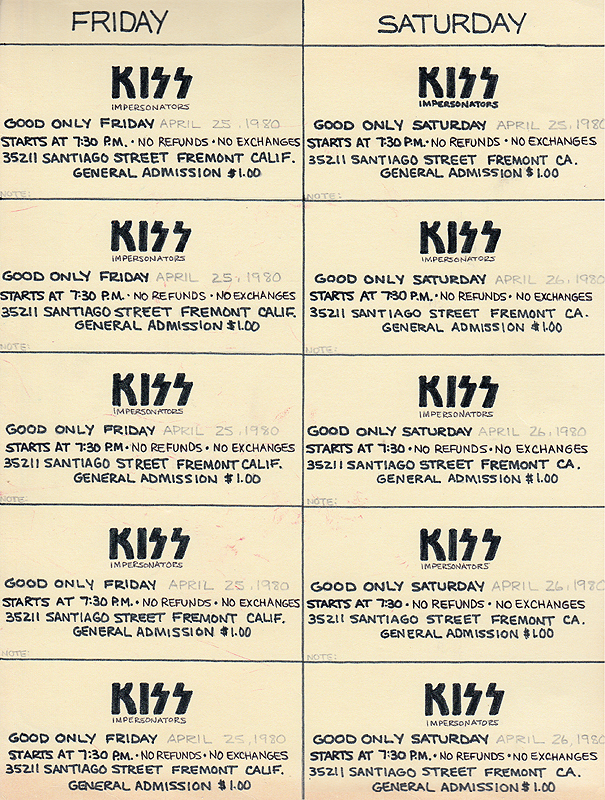
Sheet of tickets for a proposed
concert
for April 25th & 26th, 1980 |
 Click on the thumbnails to view larger photos.
Some of the original photos contain more than what is shown
in the thumbnails. |
|
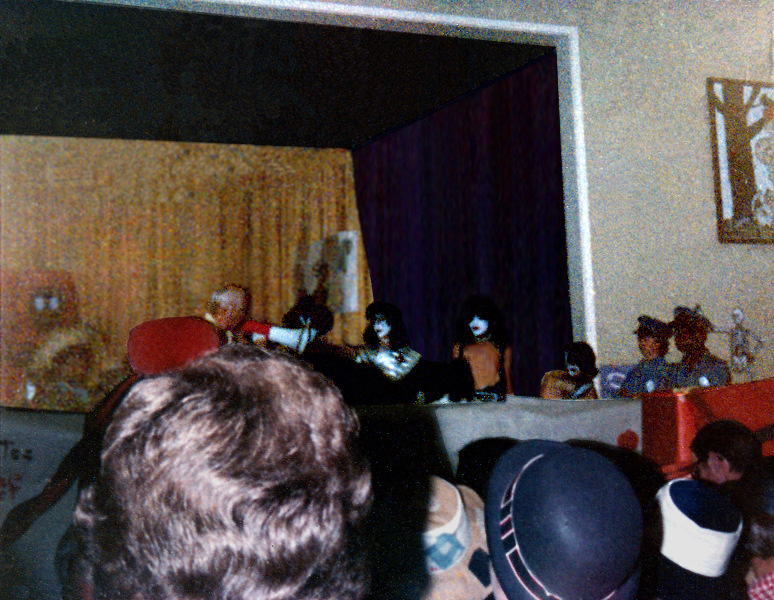
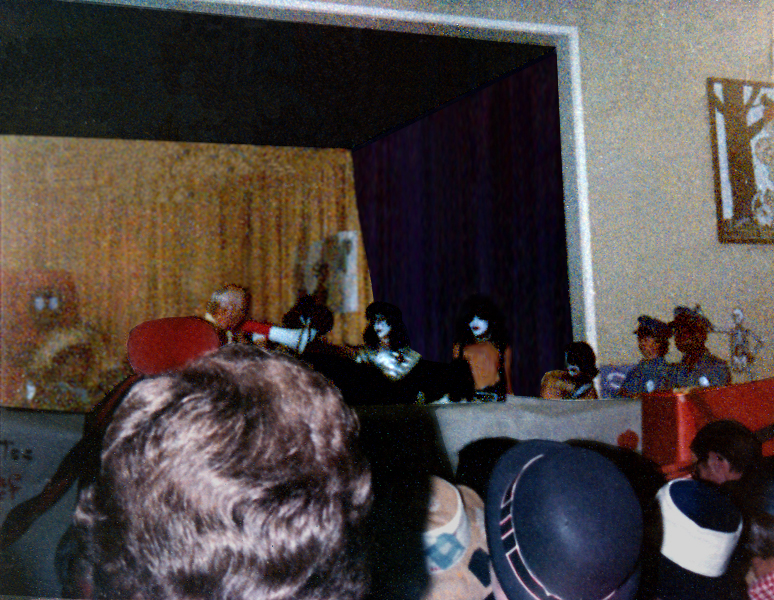
Halloween 1978 - Patterson
School
Halloween Carnival
Similar Image
|
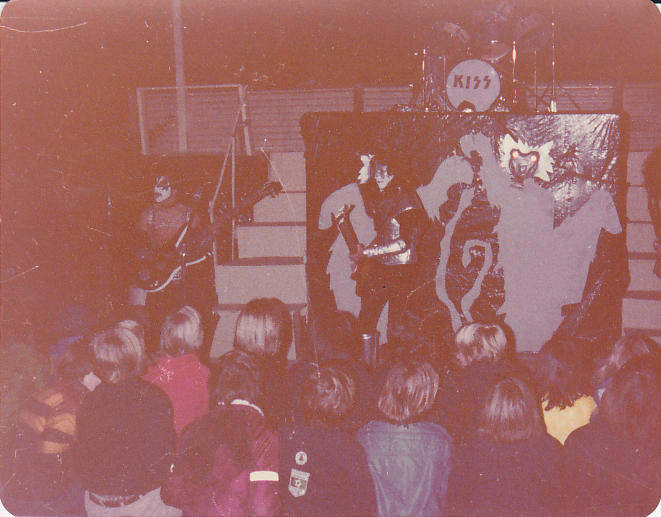
Concert II
December 10, 1978
Similar Image
|
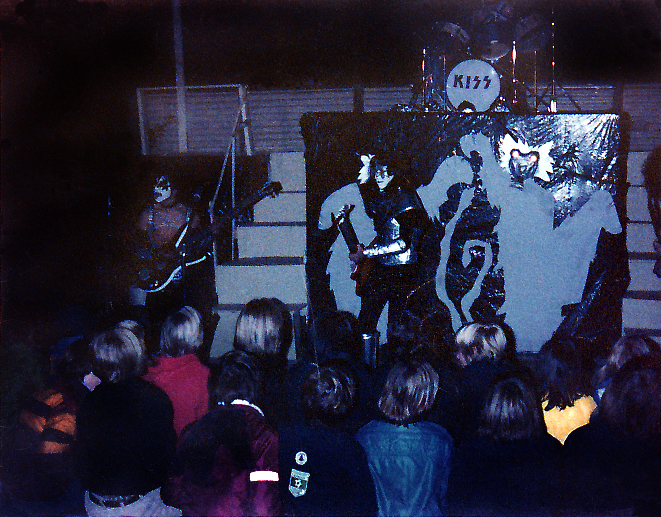
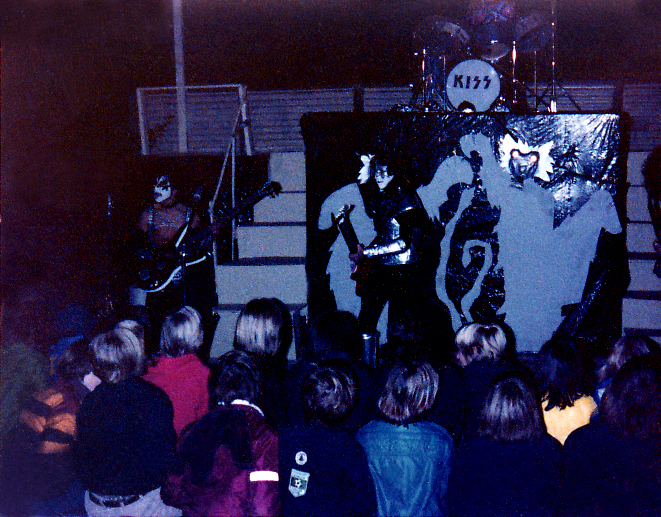
Concert II
December 10, 1978
Similar Image
|
Picture Day - January 29,
1979
Troy Correia as Gene Simmons
Similar Image
|
Picture Day
- January 29, 1979
Troy Correia as Gene Simmons
Similar Image
|
KISS
& The Mad Scientist
May 5, 1979
Group Photo - Blurred Shot
|
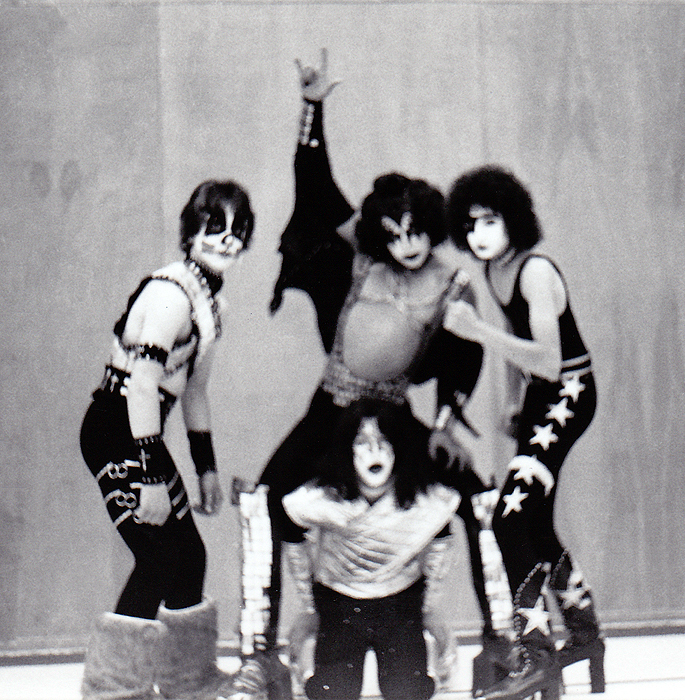
Halloween
1979
Group Photo
Cut Shot with Bad Lighting
|
Halloween
1979
Troy Correia as Gene Simmons
Blurred Shot & Bad Exposure
|
Halloween
1979
Troy Correia as Gene Simmons
Double
Exposure
|
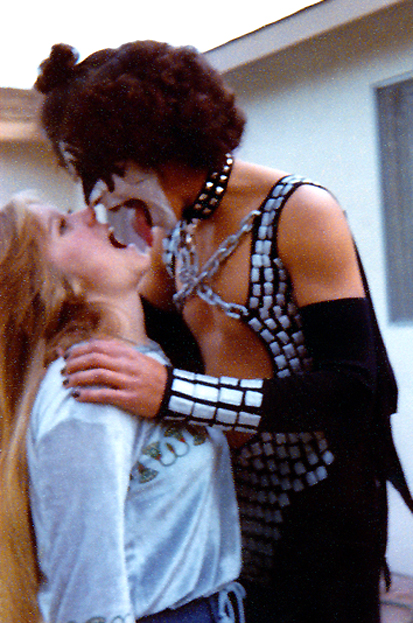
Halloween
1980
Tim Branson as Paul Stanley
Blurred
Shot |
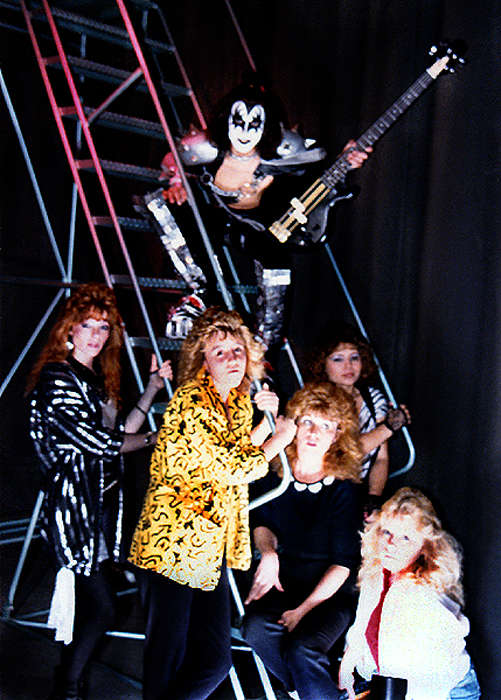
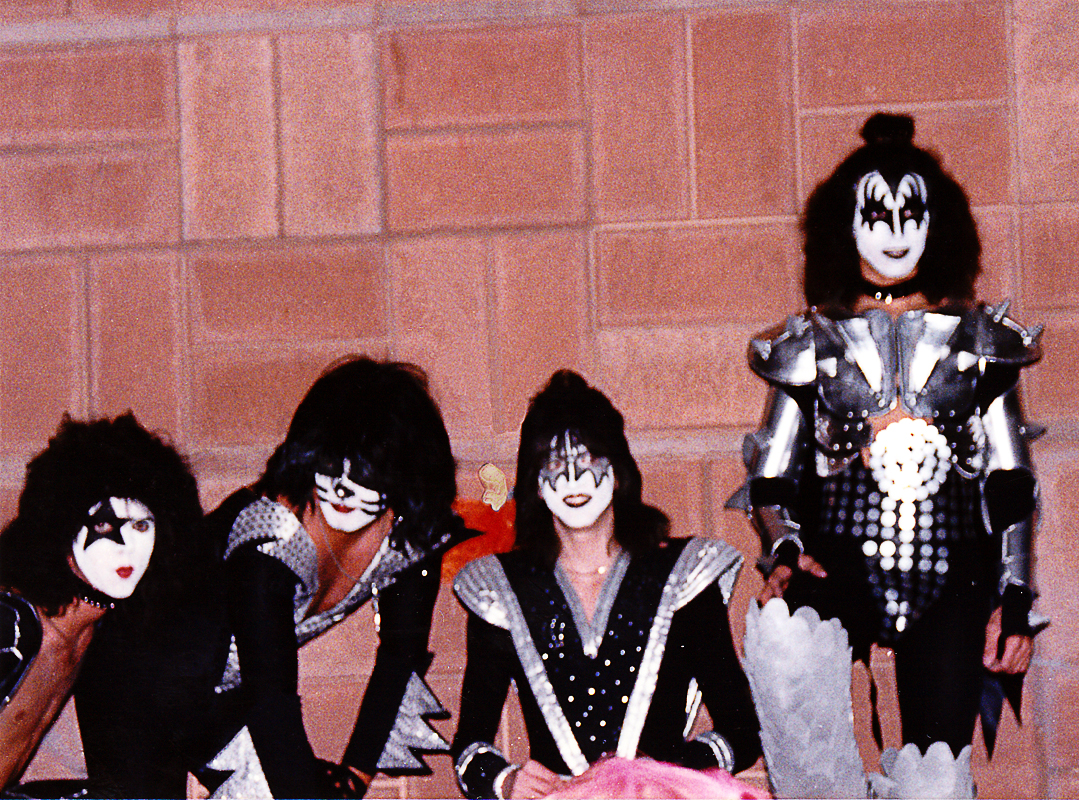
Halloween 1980
Group Photo
Under Exposed Shot |
Halloween 1980
Group Photo
Under Exposed Shot |
Halloween 1982
Group Photo
Blurred Shot
|
Halloween 1982
Troy Correia as Gene Simmons
Blurred Shot |
1983 Group Unmasked
October 22, 1983
Wake Up Troy |
Halloween 1983
Dynasty Style Group Shot
Created from a regular pose |
Halloween 1983
Jimmie Katarzy as Vinnie Vincent
Similar Shot |
Halloween 1983
Troy Correia as Gene Simmons
Bad Double Exposure Shot |
March 12, 1986
Troy's Photo Shoot
Over
Exposed & Blurred Shot |
March 12, 1986
Troy's Photo Shoot
Over
Exposed & Blurred Shot
|
|
Halloween 1986
Destroyer Cover Pose
Blurred and Over Exposed
|
Halloween 1986
Group Shot
Blurred Shot
|
Halloween 1986
Group Shot
Blurred Shot
|
Throughout the group's history,
more than 600 photographs were taken by family members and friends.
This website contains all of Troy's photographs, along with those
he was able to obtain copies of at the time.
Most of the early photographs were taken with small Instamatic
cameras using 126 or 110 film. The larger 126 negatives generally
produced reasonably good images, while the much smaller 110 negatives
often resulted in photographs of average quality, even under favorable
conditions. Since many pictures were taken in poor lighting, the
results were frequently dark and grainy, even when a flash was
used. In other cases, the flash caused severe overexposure. Beginning
in 1979, many photographs were taken with a 35mm camera, although
the results were still mixed.
As the years passed, the photographs began to fade, and their
colors shifted. In 2011, Troy began scanning the entire collection
to preserve digital copies of the original prints. Once that process
was completed, he started correcting the photographs using Photoshop.
With his limited experience at the time, he did the best he could
to improve their appearance. Over the next two years, he worked
through the collection while building the KISS Impersonators website,
which launched in 2013. Although he was dissatisfied with the
quality of many of the restored images, he was pleased to finally
make them available for everyone to see.
As Troy's Photoshop skills improved, so did his ability to restore
photographs. In 2023, he revisited a group photograph from 1980
and was able to restore it to a quality much closer to what he
felt it should have looked like when originally developed. Encouraged
by the results, he began restoring additional photographs in 2024.
Around that time, Troy realized that 2026 would mark the 50th
anniversary of the group's first appearance as KISS. That realization
inspired him to undertake a complete makeover of the website,
including a revised layout, another restoration of the entire
photo collection, and a relaunch near Halloween 2026.
In 2025, Troy began working through the more than 500 photographs
once again. Some required only minor adjustments to their color,
lighting, or size. Others demanded hours of painstaking work,
with certain images taking more than an entire day to restore
to a presentable condition.
By mid-2026, Troy began experimenting with artificial intelligence
to improve some of the most severely damaged or blurry photographs.
In certain cases, AI produced remarkable results, recovering details
that had previously seemed impossible to restore. In others, the
technology could not improve upon the original photograph or Troy's
earlier restoration without introducing inaccurate details.
Throughout the project, Troy remained committed to preserving
the photographs as historical records rather than making them
look modern or artificially enhanced. He explained his approach:
"I don't want to make us look better. I want to document
exactly how we looked. My goal is to improve the image and bring
it as close as possible to what the camera should have captured
if everything had gone right when the photograph was taken and
developed. If AI changed something because it didn't have enough
information to accurately restore it, and I couldn't correct the
result myself, I didn't use it. That photograph remained on the
Outtakes page."
As the restorations progressed, Troy reflected on the results:
"I feel like I'm seeing some of these photographs for the
first time. The original lighting and color balance were so far
off that correcting them gave the photographs a whole new life.
And with some of the blurry photographs that I once considered
unusable, AI did an amazing job."
The examples below illustrate the progression of the restoration
process. Each comparison shows the original photograph, Troy's
first restoration used on the website in 2013, and the latest
version completed for the website's 2026 relaunch. |
 Click on the thumbnails to view larger photos.
Some of the original photos contain more than what is shown
in the thumbnails. |
|
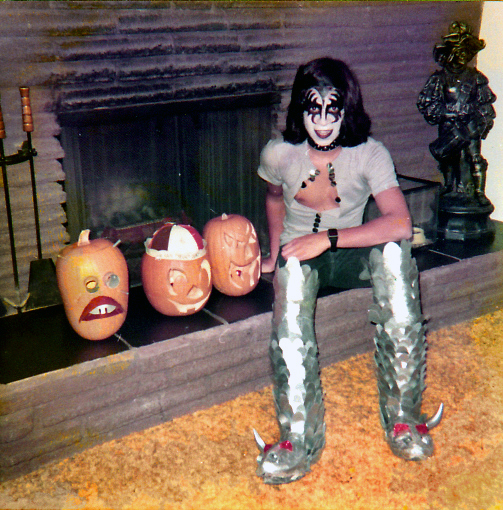
Halloween
1977 - Raw Original Photo
|
Halloween
1977 - 2013 Restored Photo
|
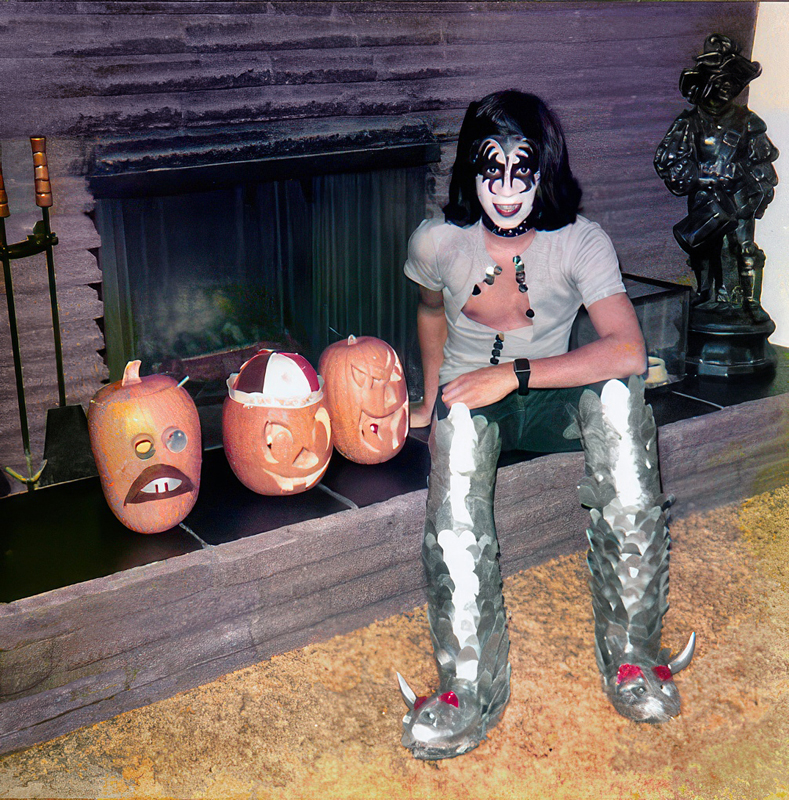
Halloween
1977 - 2026 Restored Photo
|
The original photograph had faded considerably,
leaving very little color or contrast. For the 2013 restoration,
Troy used Photoshop to restore the color, improve the contrast,
and sharpen the image. However, the results were not entirely
accurate. Orange discolorations appeared on the fireplace stonework,
likely caused by a problem with the camera or film processing.
The carpeting was also oversaturated, and the photograph had a
slight yellow-green tint.
For the 2026 restoration, Troy removed the orange discolorations,
corrected the overall color balance, and further improved the
sharpness, producing a more natural-looking photograph. |

| Halloween 1978 - Raw Original
Photo |
Halloween 1978 - 2013 Restored
Photo |
The original photograph was washed out and had
a distracting extension cord hanging through the foreground. For
the 2013 restoration, Troy painstakingly removed the cord piece
by piece using Photoshop, making it appear as though it had never
been there. He also corrected the color and contrast and sharpened
the image for the website's original launch.
When Troy revisited the photograph in 2026, he found that the
earlier restoration still held up well. Aside from slightly enlarging
the image, no additional corrections were necessary, so the 2013
restoration remains the version used on the website today. |
|
Halloween
1978 - Raw Original Photo
|
Halloween
1978 - 2013 Restored Photo
|
Halloween
1978 - 2026 Restored Photo
|
The original photograph was washed out, with
poor color and very little contrast. Although the 2013 restoration
improved both the color and contrast, the image remained dark
and heavily grainy.
For the 2026 restoration, Troy focused on improving the brightness,
contrast, and overall color balance. While some grain remains,
the results are a noticeable improvement over both earlier versions.
The restoration took approximately four hours of work in Photoshop,
with Troy making careful adjustments to individual sections of
the photograph to achieve the best possible results. |
|
Concert
II Dec. 1978 - Raw Original
Photo
|
Concert
II Dec. 1978 - 2013 Restored
Photo
|
Concert II
Dec. 1978 - 2026 Restored Photo
|
The original photograph was badly
washed out, with poor color, very little contrast, and numerous
marks and scratches, particularly along the left side. For the
2013 restoration, Troy painstakingly removed each blemish using
Photoshop, a time-consuming process he performed on many of the
older photographs. He also improved the color and contrast, but
his use of Photoshop's Burn Tool to darken certain areas left
an unnatural shadowy haze along the left and upper portions of
the image.
For the 2026 restoration, Troy decided to start over with the
original photograph. After removing the marks and scratches once
again, he carefully worked through the image section by section,
adjusting the color, lighting, and contrast. This eliminated the
dark haze from the earlier restoration and produced a more balanced
photograph while retaining the appearance of a concert shot at
night.
The restoration required approximately four hours of detailed
Photoshop work, but the results were a considerable improvement
over both earlier versions. |
|
Halloween 1979 - Raw Original
Photo
|
Halloween 1979 - 2013 Restored
Photo
|
Halloween 1979 - 2026 Restored
Photo
AI Assisted
|
The original photograph was faded, with muted
colors, poor contrast, and considerable blurring. Although the
2013 restoration improved the color and contrast, the image remained
too blurry to include with the main 1979 Halloween photographs
and was placed in the Outtakes section.
For the 2026 restoration, Troy used AI to improve the sharpness
and clarity of the photograph. While the overall results were
impressive, AI incorrectly reconstructed portions of Jack's face
(Paul Stanley) because the original photograph was overexposed
in that area. To preserve Jack's actual appearance, Troy took
his nose and mouth from the 2013 restoration and carefully blended
them into the AI-assisted version.
The result was a much clearer photograph that could finally be
included with the group's 1979 Halloween pictures. |
|
Halloween
1980 - Raw Original Photo
|
Halloween
1980 - 2013 Restored Photo
|
Halloween
1980 - 2026 Restored Photo
|
The original photograph had faded colors and
a strong yellow cast caused by the lighting. Although the 2013
restoration improved the color and contrast, the yellow tint remained
throughout the image.
For the 2026 restoration, Troy corrected the color balance, eliminating
the yellow cast and bringing the photograph closer to its intended
appearance. The result is a cleaner, brighter image with more
natural colors that better represent how the group actually looked. |
|
Halloween 1982 - Raw Original
Photo
|
Halloween 1982 - 2013 Restored
Photo
|
Halloween 1982 - 2026 Restored
Photo
AI Assisted
|
The original photograph suffered from severe
flash overexposure and underdevelopment, leaving much of the detail
barely visible. For the 2013 restoration, Troy used Photoshop
to recover as much information as possible, but the process greatly
increased the grain and introduced a yellow-green tint. The skin
tones remained unnatural, and portions of his costume and stomach
appeared almost white.
For the 2026 restoration, Troy used AI to improve his earlier
Photoshop version, producing a much clearer image with more natural
skin tones and considerably better detail. However, AI was unable
to accurately reconstruct certain elements of his costume. His
skull necklace was missing, and the metal rings along the side
of his costume had been incorrectly interpreted as a combination
of rings and chains.
To correct these inaccuracies, Troy retrieved the skull necklace
from another photograph of himself and carefully incorporated
it into the restored image. He also reconstructed the missing
rings to match the original costume.
The finished restoration rescued a photograph that had previously
been relegated to the Outtakes section, allowing it to take its
place among the Halloween 1982 photographs for the website's 2026
relaunch. |
|
Halloween 1983 - Raw Original
Photo
|
Halloween 1983 - 2013 Restored
Photo
|
Halloween 1983 - 2026 Restored
Photo
AI Assisted
|
The original photograph was severely faded, with
poor color and very little contrast. For the 2013 restoration,
Troy used Photoshop to recover some of the color and contrast,
but the image remained heavily grainy, with several areas still
appearing washed out.
For the 2026 restoration, Troy returned to the original photograph
and made some preliminary contrast adjustments before using AI
to further restore the image. The results were a significant improvement,
with more natural colors, better definition, and considerably
less grain, bringing new life to a photograph that had previously
been difficult to restore. |
|
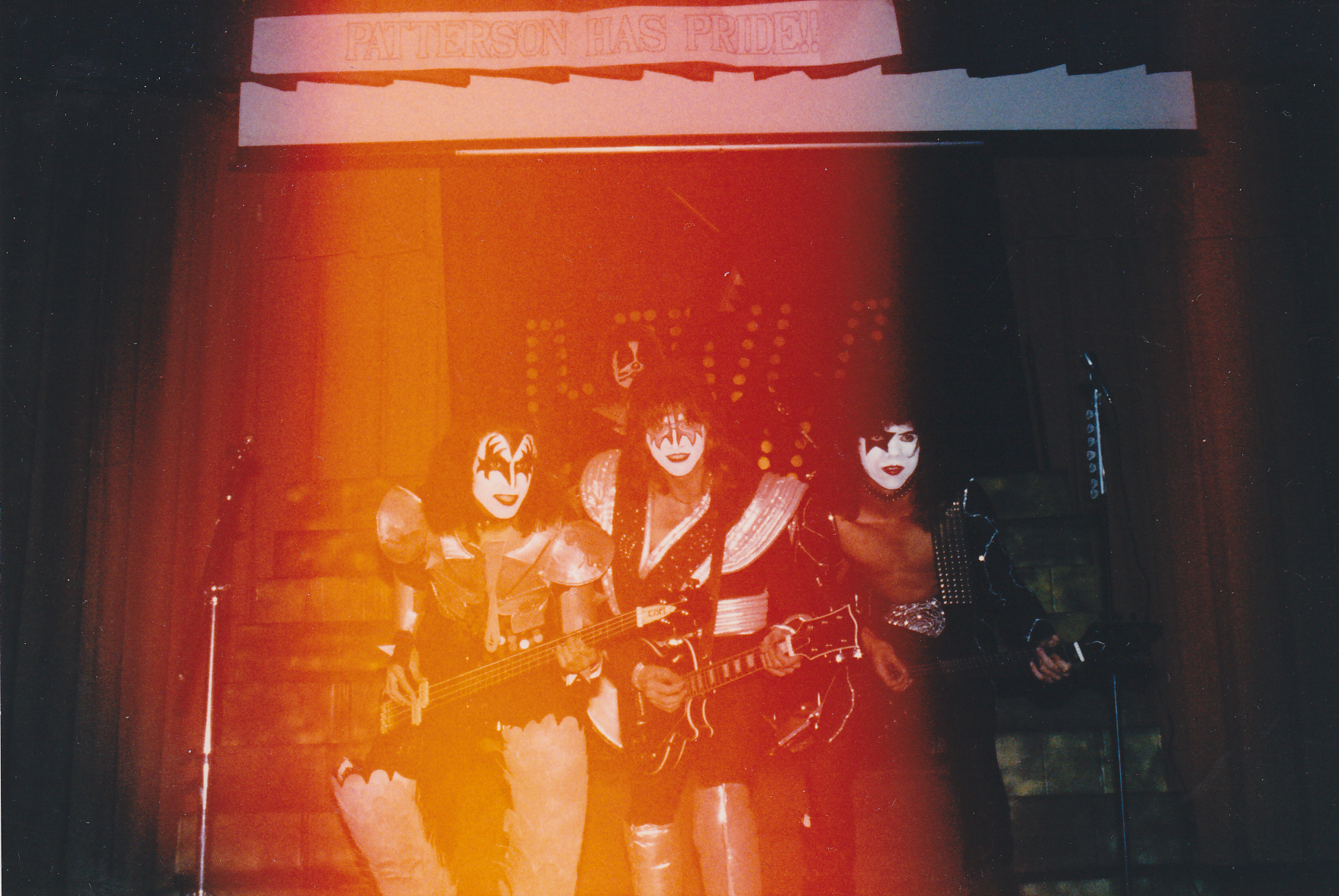
December 3, 1986 - Raw Original
Photo
|
December 3, 1986 - 2013
Restored Photo
|
December 3, 1986 - 2026
Restored Photo
AI Assisted
|
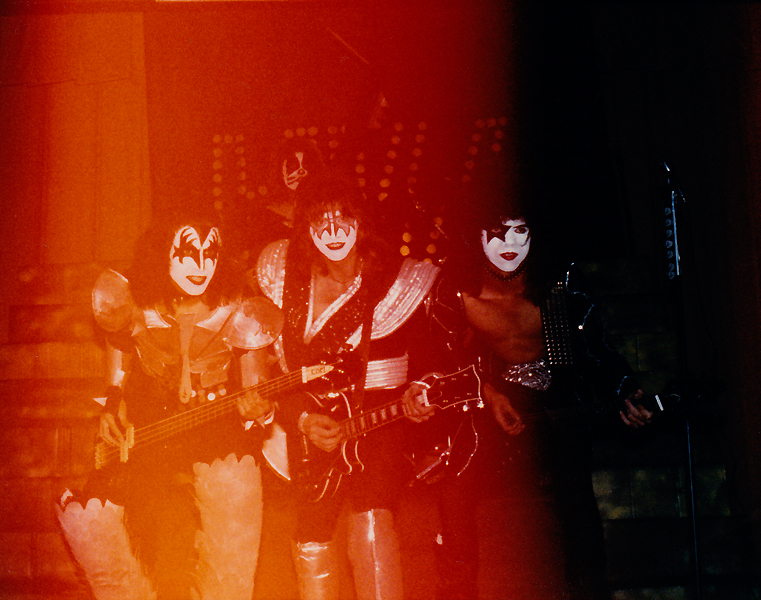
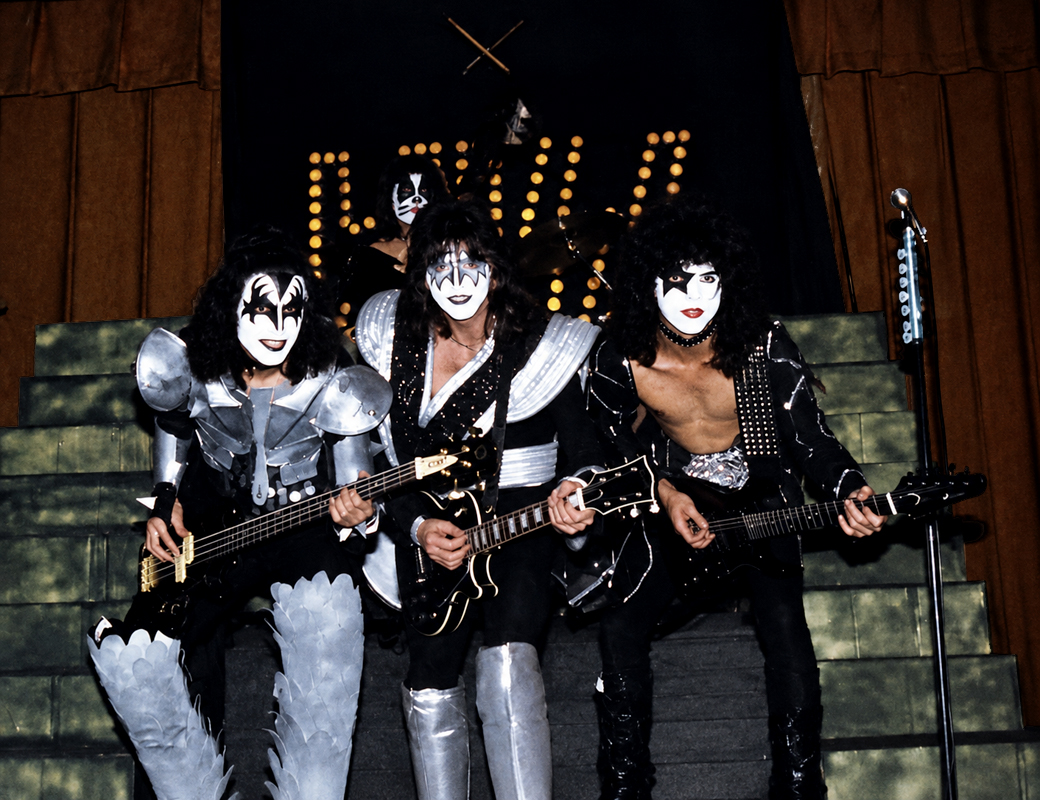
The original photograph was affected by what
appears to have been a light leak on the film, creating a large
orange discoloration across much of the image. The photograph
also suffered from poor contrast. For the 2013 restoration, Troy
cropped the image and made adjustments to the color and contrast
using Photoshop, but he was unable to eliminate the orange discoloration.
For the 2026 restoration, Troy used AI to remove the apparent
light leak, improve the color and contrast, and restore much of
the image's original appearance. The results were a dramatic improvement,
allowing the photograph to be viewed without the distracting orange
discoloration for the first time in nearly 40 years. |
 WebCouter
|